Living With Cast Iron: Seasoning, Cleaning and the Egg Test
Cast iron is not fragile, but it does reward a few consistent habits. We explain what seasoning really is, how we clean pans in the test kitchen, how to fix rust, and why a fried egg is the best diagnostic.

Marisol Vega, Test Kitchen Director
· 4 min read
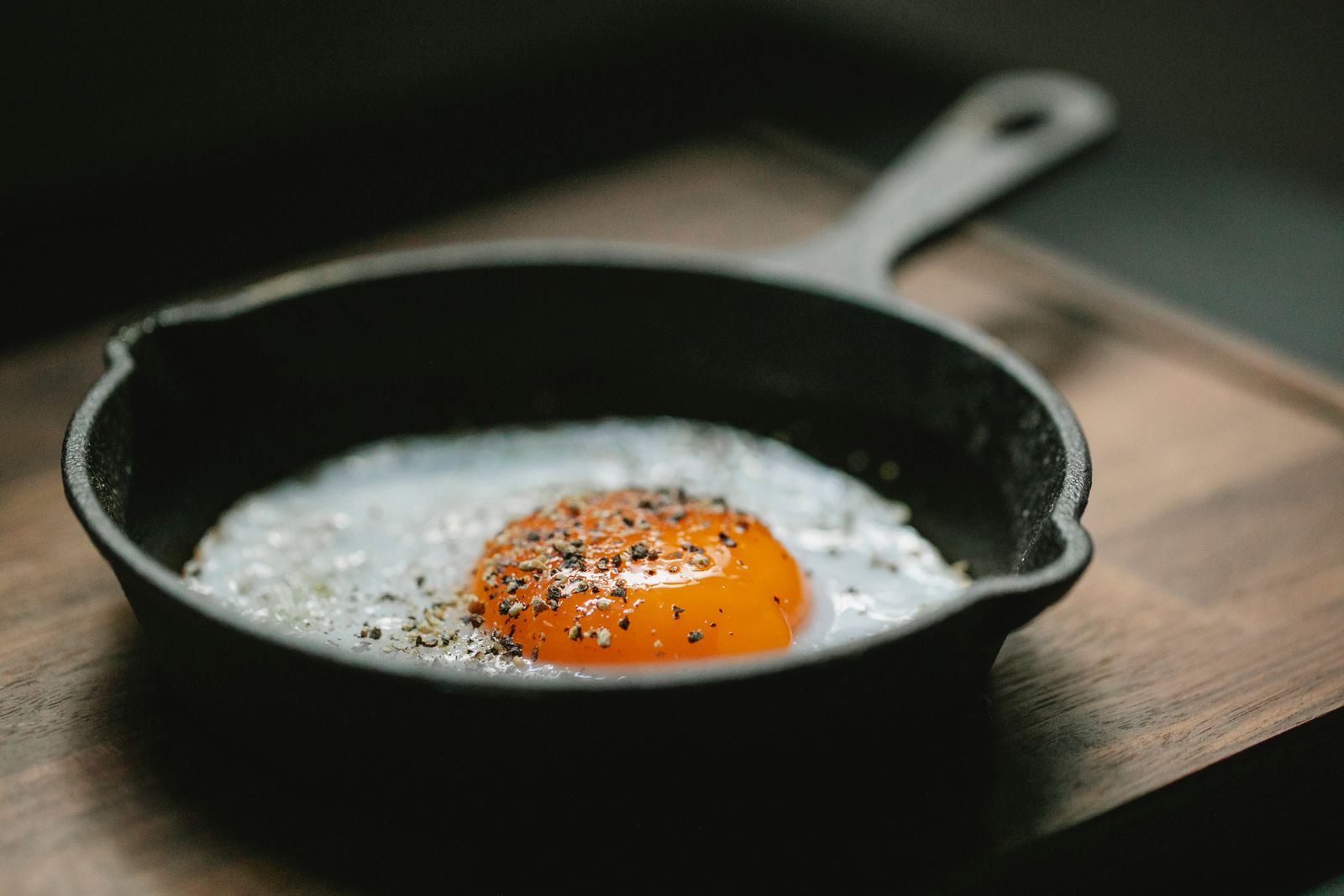
We have more than a dozen cast iron pans in the test kitchen, from a tiny single-egg skillet to a 15 inch pan that takes two hands to lift. Some are decades old. None of them are treated gently, and all of them cook beautifully. The secret is not special oils or rituals. It is understanding what seasoning is, and then following a short list of habits every time the pan is used.
What seasoning actually is
Seasoning is a thin layer of oil that has been heated past its smoke point until it polymerizes, bonding to the iron as a hard, slick coating. It is closer to a natural plastic than to a greasy film. Each time you cook with fat at moderate to high heat, you add a microscopic layer. That is why a well-used pan keeps getting better, and why a pan that only ever boils water or bakes acidic sauces slowly loses its finish.
New pans usually come pre-seasoned, but that factory coat is thin. The fastest way to build it up is simply to cook fatty foods often in the first month: bacon, shallow-fried potatoes, cornbread baked in a generous slick of butter, and plenty of eggs.
How we clean cast iron in the test kitchen
The old rule about never using soap came from a time when soap contained lye, which could strip seasoning. Modern dish soap is mild, and a little of it will not hurt a well-seasoned pan. What does cause damage is soaking, the dishwasher and leaving a pan wet.
- Clean the pan while it is still warm. Food releases more easily and water evaporates faster.
- Rinse with hot water and scrub with a stiff brush or a chain mail scrubber. Use a drop of soap if the pan is greasy.
- For stuck-on bits, add a tablespoon of coarse salt and a splash of water and scrub it like a paste.
- Dry with a towel, then set the pan over low heat for two or three minutes until every trace of moisture is gone.
- While it is still warm, wipe in a few drops of neutral oil and buff it off with a paper towel until the surface looks dry, not shiny.
That last step is where most people go wrong. Too much oil left on the surface turns sticky and gummy instead of hardening. You want a coat so thin it is almost invisible.
The egg test
A fried egg is our favorite way to judge a pan, because eggs stick to anything that is underheated or poorly seasoned. Heat the skillet over medium for three to four minutes, add a teaspoon of butter or oil, and wait until the fat shimmers. Crack in the egg and leave it alone. After about a minute the white should set at the edges and the pan should release it with a gentle shake or a thin spatula.
If the egg sticks, the answer is usually heat rather than seasoning. Cast iron heats unevenly, and a pan that feels hot in the center may still be cool at the edges. Give it more time. If the egg still sticks after a proper preheat, the seasoning needs work, and a few weeks of fatty cooking will usually fix it.
Nine times out of ten, a sticking pan is a cold pan. Preheat longer before you blame the seasoning.
Rust, flakes and full re-seasoning
Orange rust spots look alarming but are easy to fix. Scrub the area with steel wool until you reach bare gray metal, wash, dry thoroughly over heat, then rub the whole pan with a very thin coat of oil. Bake it upside down at 450 F for one hour with a sheet pan on the rack below, then let it cool in the oven. Repeat two or three times for a durable base.
Small black flakes in your food are usually carbonized food residue or a loose patch of seasoning, not something harmful. Scrub the spot, oil lightly and keep cooking. The patch will fill in.
A few things we avoid
- Long simmers of tomato sauce, wine or vinegar in a newer pan. Short deglazing is fine; hours of acid is not.
- Moving a hot pan straight into cold water, which can warp or crack it.
- Storing pans with the lids on, which traps humidity. Lay a paper towel inside if you stack them.
Treat the pan this way and it will outlast every other piece of cookware in your kitchen, getting slicker with every egg.