Late Summer Tomatoes: Picking, Storing and Using the Whole Glut
When the vines are heavy and the leaves start to yellow, tomatoes arrive faster than anyone can eat them. How to tell when they are ripe, why the refrigerator is a last resort, and four ways we use a surplus.

Danielle Okafor-Reyes, Founder & Editor-in-Chief
· 4 min read
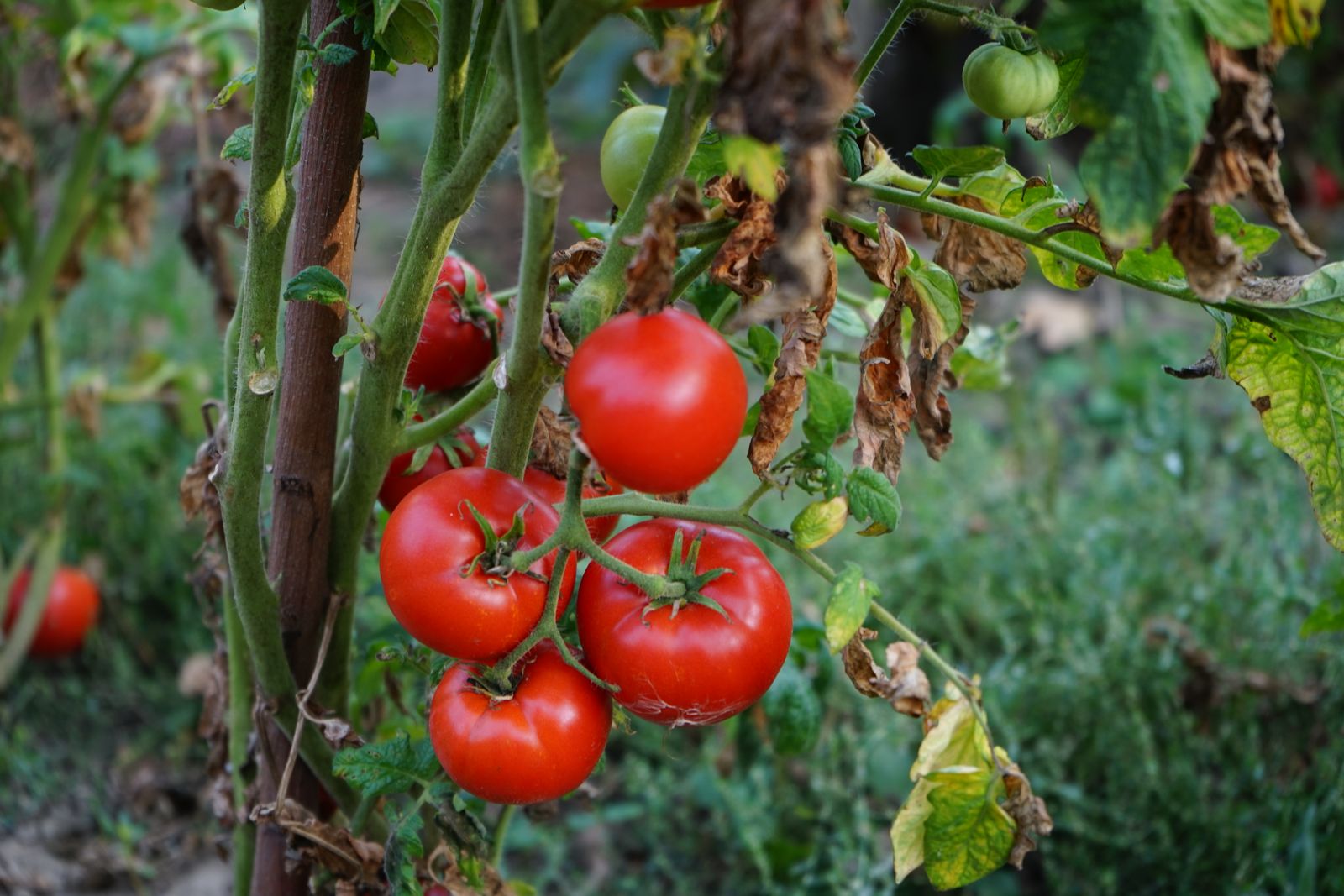
By the middle of August, the tomato plants in our kitchen garden look tired. The lower leaves turn yellow and curl, the stakes lean, and yet the vines are heavier with fruit than at any point all summer. This is the best and most overwhelming moment of the tomato year. Our job in the test kitchen for the next six weeks is making sure none of it goes to waste.
Knowing when a tomato is ready
A tomato is ready when it has full, deep color for its variety, gives slightly under gentle pressure, and smells green and sweet near the stem. It should come off the vine with a light twist. If you have to tug, wait a day.
Late in the season we often pick earlier than that. Tomatoes continue to ripen well off the vine once they have started to blush, meaning the skin shows the first hint of color at the blossom end. Picking at this stage protects fruit from splitting after heavy rain, from birds and from the first cool nights, and the flavor ends up nearly identical.
- Pick in the morning, after the dew dries but before the heat of the day.
- Leave a short piece of stem on larger tomatoes to reduce bruising.
- Pick split fruit immediately and use it the same day, since cracks spoil fast.
- Remove yellowed lower leaves to improve air flow, but leave enough foliage to shade the fruit.
Why the refrigerator is a last resort
Cold damages the compounds responsible for tomato aroma and turns the flesh mealy. Below about 55 F, those changes start within a day or two. We keep ripe tomatoes on the counter, stem side down, out of direct sun and in a single layer so they do not bruise each other. Most will hold for two to four days this way.
If a tomato is fully ripe and you cannot use it in time, the refrigerator is still better than throwing it away. Just let it come back to room temperature for a few hours before eating, which restores some of the flavor. For tomatoes picked at the blush stage, set them on the counter and check daily. A paper bag with a banana speeds ripening if you need them sooner.
A tomato stored in the fridge is still a tomato. A tomato forgotten on the counter for a week is compost. Use judgment, not rules.
Four ways we use a glut
When the harvest outpaces salads and sandwiches, these are the methods we rely on. Each uses a lot of tomatoes at once and keeps for weeks or months.
- Slow roasted halves: cut plum or medium tomatoes in half, toss with oil, salt and a little garlic, and roast cut side up at 275 F for 2 to 3 hours until wrinkled and concentrated. Freeze flat on a tray, then bag.
- Simple sauce: core and quarter tomatoes without peeling, simmer with olive oil and onion for 45 minutes, then pass through a food mill to remove skins and seeds. Freeze in pint containers.
- Grated tomato: halve large ripe tomatoes and rub the cut side on a box grater until only the skin remains. Season the pulp with salt and oil and spoon it over toast, or freeze it in ice cube trays for winter soups.
- Whole frozen tomatoes: freeze cored tomatoes whole on a tray. When thawed, the skins slip off, and the flesh is perfect for cooking.
The green tomatoes at the end
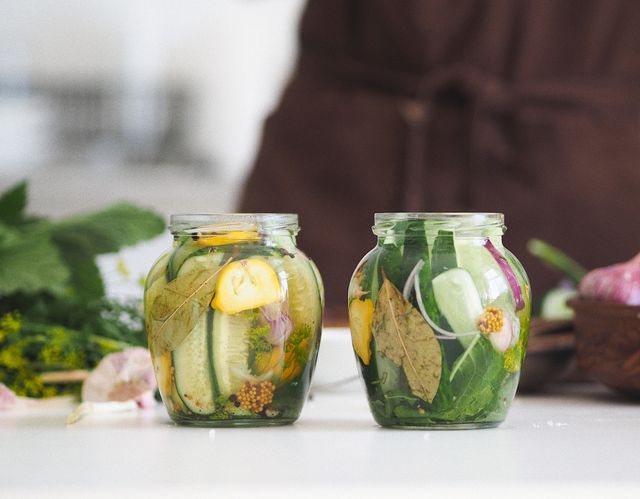
When nights start dropping toward 50 F, plants stop ripening fruit reliably. Before the first frost, we strip every remaining tomato from the vines. Those showing any color go into a single layer in a cool room to finish ripening slowly. Fully green, hard tomatoes are used as they are. We slice them thickly, dredge them in cornmeal and fry them until golden, chop them into a tangy relish with onions and vinegar, or slice them into a jar of refrigerator pickles.
When the vines finally come down, we take notes on which varieties cracked, which ones stayed productive into September and which tasted best in sauce. Those notes decide next year's seed order. After a summer of tomato sandwiches, a freezer full of roasted halves and sauce is the best reminder in February that the season will come back.